
 Provider
Braces for a Healthier Bite
Conventional braces are a proven method for straightening teeth – orthodontists have used them successfully for decades to align smiles and enhance bites.
Braces are composed of three main components: brackets, a flexible arch wire, and sometimes elastic bands.
The brackets are attached to the fronts of the teeth and secure the archwire. The archwire applies pressure to move the teeth into the correct positions. Elastic bands are used to exert additional force in specific directions.
Braces are a very versatile orthodontic treatment option. They can be used to correct moderate to complex orthodontic issues for children, teens and adults of all ages.
Today's braces are available in several streamlined options that offer a cleaner, lower-profile look for those concerned about esthetics.
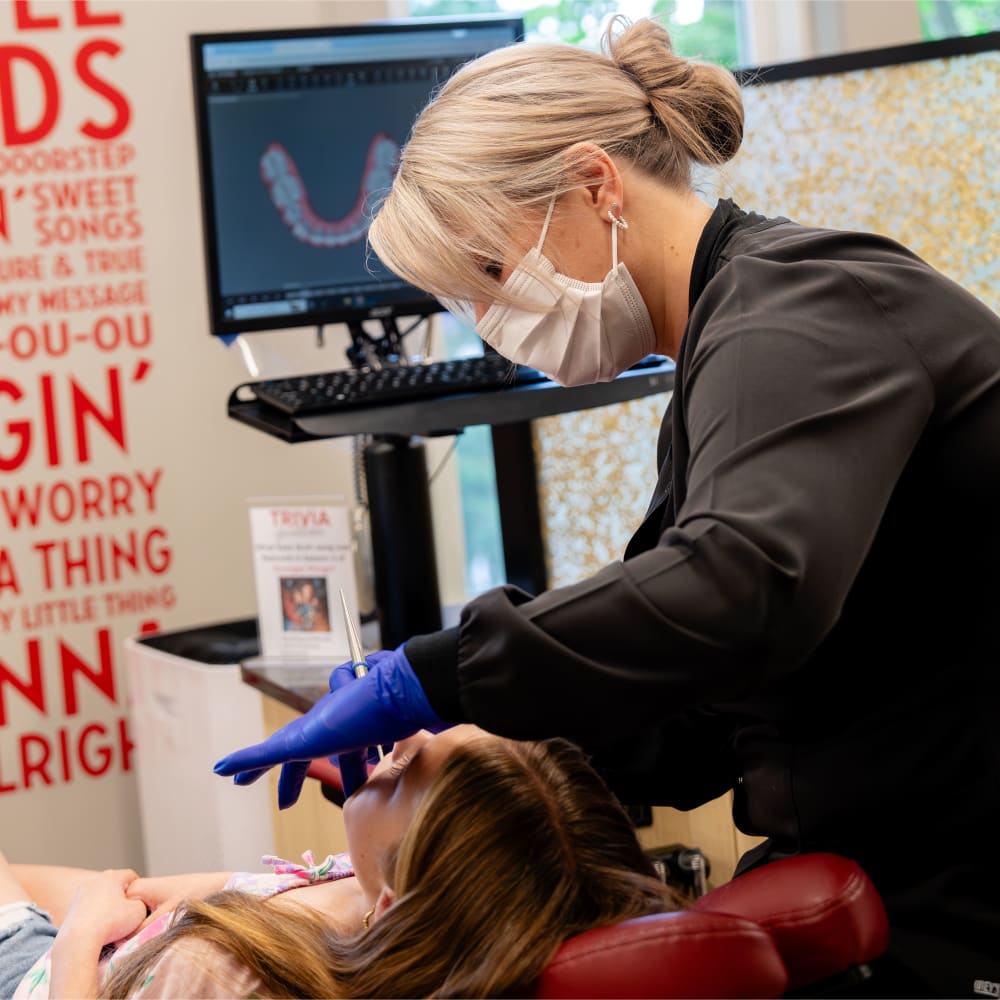
Flexible Payment Plans & Financing Options
At Sturbridge Orthodontics, we believe that finances should never be a barrier to health care. To help our patients manage the cost of orthodontic treatment, we offer flexible payment plans and convenient financing with CareCredit.
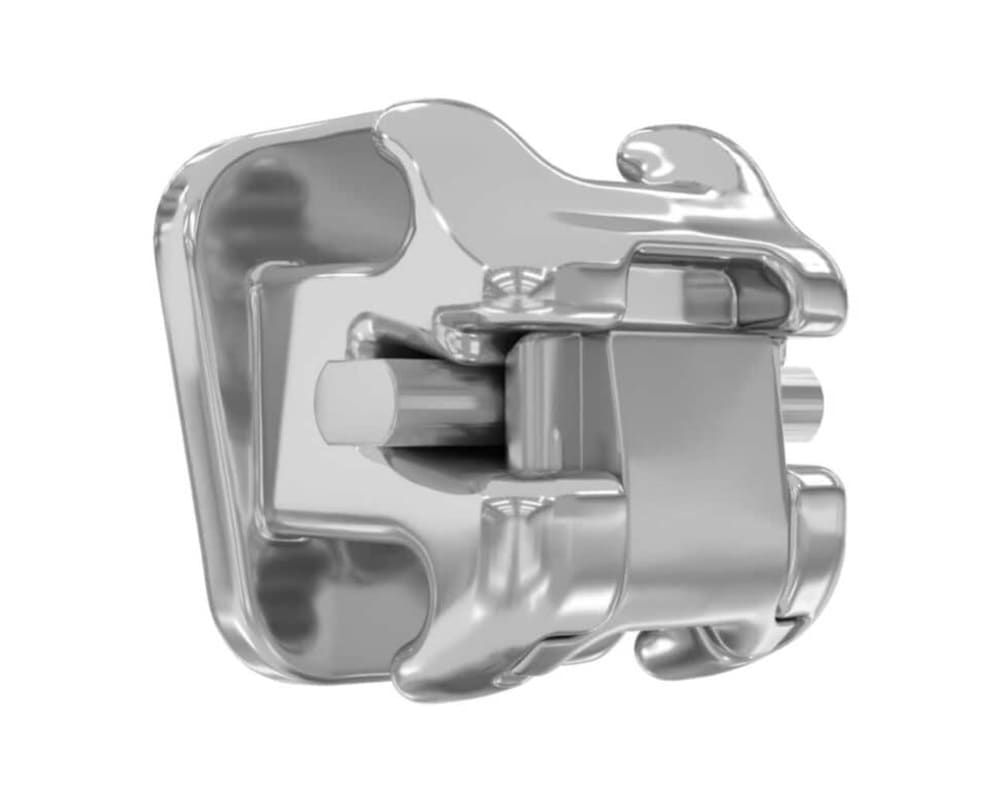
Damon Braces
At Sturbridge Orthodontics, we are proud to offer self-ligating Damon Braces for children, teens and adults.
Using a mechanism built into the bracket, self-ligating braces hold the archwire in place without requiring extra wires or elastics. Instead, the archwire fits securely inside the bracket itself, resulting in a lower-profile look compared to traditional braces.
Along with the traditional metal Damon Braces, we now also offer a clear ceramic bracket version for a more polished appearance. Since Damon Braces are already smaller and sleeker than conventional options, the clear version makes them barely noticeable.
The Damon System features advanced brackets that adapt easily with your teeth, making your experience more comfortable by reducing friction. This innovative method often leads to shorter treatment times, fewer visits to the office, and easier cleaning, which all help you keep your oral hygiene in great shape throughout your orthodontic journey.
Living with Braces
Getting used to braces can take some time, but you'll quickly develop new routines. Here are some factors that will influence your daily life during your braces treatment.
Adjustments
Adjustments are a crucial component of orthodontic treatment with braces. Every four to eight weeks, you'll visit our office to have your braces adjusted. This will help keep your teeth moving as directed by your treatment plan.
You might experience some discomfort in the hours or days after your adjustment appointments as your mouth gets used to it. This discomfort is temporary and easiest to manage with over-the-counter pain relievers.
Elastics
Elastics, also called rubber bands, are used with traditional braces to apply additional force to certain areas of your mouth to guide tooth movement. They are a key part of your treatment.
Elastics do not maintain their strength for long, though, and need to be changed out at least twice a day. Many of our patients find that making it a habit to change their elastics after each meal makes it easier to remember.
Always follow your orthodontist's instructions regarding your elastics. Contact our office if you find that your elastics break frequently or if the hook for your elastics breaks off.
Hygiene
Good oral hygiene is more important than ever when you have braces. Braces create numerous small spaces and crevices where plaque can accumulate, leading to tooth discoloration, tooth decay, and gum disease.
To keep your teeth and gums healthy during your braces treatment, be sure to brush after each meal using a soft toothbrush and fluoride toothpaste. A Proxabrush® is a specially shaped toothbrush designed to clean out the spaces between braces. You can also use a Waterpik™ or air flosser to help flush out stubborn food particles.
You should also floss regularly. It's easier than you might think. Simply slide the floss down between the arch wire and your teeth. Gently pull the end toward the back of the tooth and move the floss up and down between your teeth.
Eating
Undergoing orthodontic treatment with braces, unfortunately, requires some limitations on your diet.
Foods that you'll need to avoid include chewy or sticky foods (like caramel or liquorice), hard or crunchy foods (hard candies, nuts, or whole raw vegetables), and foods you have to bite into (like corn on the cob or apples). You'll also need to avoid sugary drinks.
Cutting food into small pieces and chewing slowly and carefully lets you enjoy more variety during your treatment, but always follow your orthodontist's recommendations.
Mouth Guards
If you're an athlete, there's no reason for braces to stop you from playing the sports you love. But if you want to continue getting out on the field, court, or rink during your treatment, we recommend wearing a sports mouthguard to protect your teeth, your mouth, and your braces from damage.
Retainers
After your active orthodontic treatment with braces (or Invisalign) is complete, you'll need to wear a retainer to keep your teeth in their new, straightened positions while the jawbone around their roots reforms and hardens.
You'll probably start out wearing your retainer 24 hours a day, every day, during the first eight weeks or so after braces – only taking it out for eating and brushing your teeth, as instructed by your orthodontist.
Once your teeth have settled into their new positions and your orthodontist approves, you may start wearing it only at night.
Questions About Braces? We've Got Answers.
If you're thinking about getting braces, you probably have some questions. Start by reading our braces FAQs to learn more about how they work and their benefits.
-
How much do orthodontic braces cost?
The cost of orthodontic treatment can vary greatly depending on the type and severity of the misalignment and the kind of braces used. Your orthodontist will give you an estimate of the treatment cost upfront.
If you already have an estimate from your orthodontist, you can use our cost calculator to determine your approximate monthly payments.
-
Who is a candidate for braces?
Most children, teens and adults who have healthy teeth and gums are generally considered good candidates for braces. That said, some people with severe recession or oral health issues might not be suitable candidates.
Braces come in many styles and can treat a wide range of moderate to complex orthodontic problems, so almost anyone can benefit from them.
-
What are my options for low-profile braces?
We offer self-ligating Damon Braces at Sturbridge Orthodontics. Self-ligating braces don't require elastics or ties like traditional braces, giving them a neater, more streamlined look.
Additionally, we offer self-ligating braces with a ceramic bracket option that matches the natural color of your teeth and blends with your smile.
Invisalign clear aligners are also an option for low-profile orthodontic treatment.
-
How long will I need to wear braces?
The typical treatment time for braces is 12 to 24 months, but this can vary greatly between patients. How long your orthodontic treatment takes mainly depends on the type and severity of your misalignment. As you might expect, milder or moderate cases are faster to treat than more complex ones.
-
How long until I get used to my braces?
It will probably take a week or two to fully get used to your braces after you first get them. You might find it tempting to poke at them with your tongue as you adjust to how the wires and brackets feel.
You may also notice that certain areas of your mouth rub against the braces, causing soreness. Orthodontic wax can be placed on the braces in these areas to help create a smoother surface with less friction as your mouth adjusts. Again, this discomfort is temporary, and after a couple of weeks, your mouth will likely feel normal again.
-
Do braces hurt?
You will almost certainly experience some discomfort at different points of your orthodontic treatment with braces. However, any pain you feel during your braces treatment is temporary, and usually resolves over a few days, or even hours.
Discomfort from braces typically lasts about a week after getting them and also occurs for a few hours or days following adjustment appointments when the teeth begin to shift. Patients usually describe it as a feeling of pressure or an ache. This kind of pain is generally easy to manage with over-the-counter pain relievers until it passes.
Another type of temporary discomfort you might experience during your braces treatment is when the brackets rub against the inside of your mouth. This can also occur when you first get your braces and right after adjustment appointments. Orthodontic wax can be applied to the braces in the areas where the rubbing happens to create a smoother surface against the inside of your mouth. You can also use painkillers to manage this discomfort until it goes away.
-
Can adults get braces?
Yes, adults can get braces! Increasingly, more adults are choosing to undergo orthodontic treatment they missed out on when they were younger, to improve their oral health and the appearance of their smiles.
Many of our adult patients prefer the lower profile, more streamlined look of translucent ceramic braces, self-ligating braces, or Invisalign. All these options allow you to straighten your teeth without the more pronounced appearance of traditional braces.
-
Can kids get braces?
Yes, children as young as seven years old may be candidates for braces in some cases. Addressing certain developing misalignments and bite issues is more effective in children, as early intervention allows us to guide their oral development and prevent more complex problems later in life rather than trying to correct established issues.
With all that being said, we take a very conservative approach to braces for children, and only prescribe them when there's a serious risk of future orthodontic problems.
-
Do I have to brush more with braces?
Yes, it's a good idea to brush your teeth after each meal during your braces treatment.
Taking care of your oral hygiene is especially important when you're wearing braces. The braces create lots of small nooks and crannies that weren't there before, which can trap food particles very easily. This makes it easier for bacteria to grow, so staying diligent with your cleaning can make a big difference in keeping your smile healthy and bright.
To avoid developing cavities (not to mention tooth discoloration and bad breath), extra vigilance with your oral hygiene is essential.
-
How do I floss with braces?
Flossing with braces may seem complicated, but it's fairly straightforward once you get the hang of it!
To floss your teeth with braces, guide the floss down through the space between the arch wire and your teeth. We provide floss threaders to make this easier. Gently pull the end of the floss toward the back of the tooth and move the floss up and down between the teeth. Repeat this process between each pair of teeth.
-
What can I eat while I'm wearing braces?
Eating with braces requires some extra care, but you should still be able to eat many of the foods you love.
You should avoid hard, crunchy, or overly sticky and tacky foods. It's generally important to chew slowly and carefully when wearing braces. Refrain from biting directly into foods such as apples or corn on the cob; instead, cut apples into bite-sized pieces and shell your corn. Also, avoid chewing gum altogether.
For the most part, though, you can go on eating your normal diet; there are just a few small considerations.
-
Can I still play contact sports if I wear braces?
We generally recommend avoiding any sports that could involve regular direct blows to the face while wearing braces. Even with a mouth guard, sports like boxing still aren't recommended.
Other contact sports, such as football or rugby, might be possible if you wear a mouth guard, but we recommend extreme caution in these situations as well.
For most sports, though, you should be able to keep playing with no problem. If you want to continue getting out on the field, court, or rink during your treatment, we recommend wearing a sports mouth guard to protect your teeth, your mouth, and the braces themselves from damage.
-
Braces vs. Invisalign: How do I choose which is best for me?
Braces and Invisalign are both effective options for orthodontic treatment, but differences between them can influence which is best for each person.
Factors to consider when choosing between braces and Invisalign include your personal preferences and lifestyle, esthetics, the nature and severity of your misalignment, and cost. You can learn more here.
Your orthodontist will assess your specific case and recommend the best treatment option for your needs.